Environmental Context in Organizational Behavior
In today’s dynamic business environment, organizations must adapt to both internal and external factors to remain competitive. The environmental context influences organizational behavior through key dimensions: globalization, diversity, technology, ethics, and evolving employment relationships.
-
Globalization
Organizations must adopt a global perspective in managing human resources, careers, and workforce mobility. Increased international business, advanced communication, and competition require businesses to be flexible and culturally aware.- Cross-Cultural Differences: Managing cultural diversity requires understanding different work behaviors and minimizing negative impacts.
- Managerial Behavior Across Cultures: Different cultural backgrounds shape employee and managerial behavior, influencing decision-making and leadership styles.
-
Diversity
Workforce diversity, including differences in age, gender, race, abilities, and cultural backgrounds, is crucial for organizational survival. Companies must embrace diversity through structured policies that promote inclusivity and equity. Managing diversity effectively requires training, awareness, and top management commitment to fostering an inclusive work environment. -
Technology
Technology is integral to organizational success, shaping both employee behavior and managerial practices. Organizations must integrate technological advancements to maintain competitiveness. Technological change drives workplace transformation, affecting job roles, communication, and decision-making processes. -
Ethics
Ethics influence organizational decisions, behaviors, and interactions among employees, management, and stakeholders. Ethical behavior is shaped by cultural values, corporate policies, and external societal norms. Key ethical challenges in organizations include:- How organizations treat employees.
- How employees engage with the organization.
- Ethical conduct in business relationships and competition.
-
New Employment Relationships
Modern employment structures, such as temporary work, outsourcing, and contract-based roles, create new management challenges. Organizations must navigate complexities in workforce engagement, ensuring fair treatment and ethical considerations in managing diverse employment arrangements.
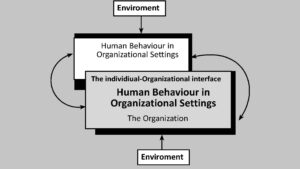
The interaction of environment and organizational behavior
Source: Griffin and Moorhead (2014, p-5)
Conclusion
The rapid evolution of globalization, technology, ethics, and workforce diversity requires organizations to rethink their strategies. Organizational behavior serves as a guiding framework to effectively manage human resources, improve workplace dynamics, and enhance overall organizational performance.
 Learning Often happens in the classroom, but it doesn’t have to.